

What Can We Expect From the Gaza Ceasefire?
Local residents and Church leaders are hopeful but realistic that it could be just another short respite from war.
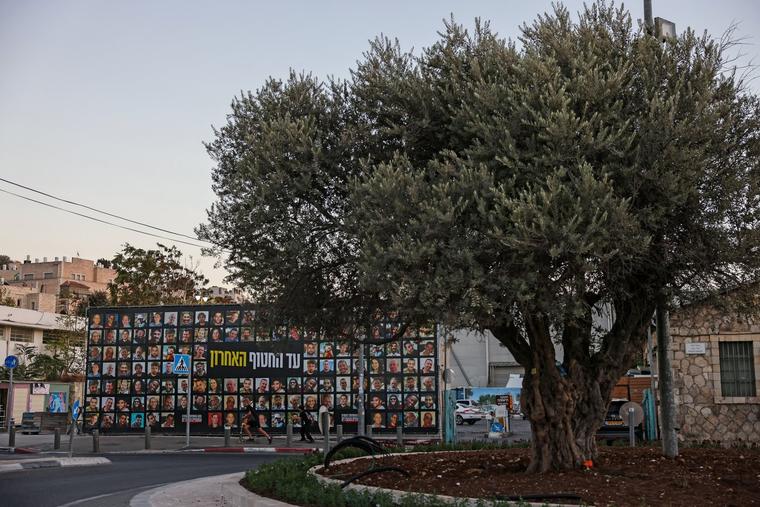
JERUSALEM — Exhausted Israelis and Palestinians are holding their collective breath and praying that the Hamas-Israel peace plan brokered by President Donald Trump will lead to a real and lasting peace.
Having been disappointed countless times before, local people and Catholic Church leaders are hopeful but realistic.
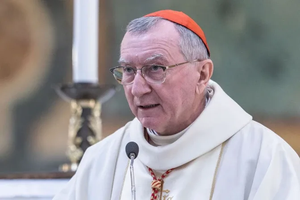
“It is good news, and we are very happy. It is a first step, the first phase” of the plan, Cardinal Pierbattista Pizzaballa, Latin patriarch of Jerusalem, said in an Oct. 9 statement. “Of course, there are many [other steps], and surely there will be other obstacles. But now we have to rejoice about this important step that will bring a little more trust for the future and also bring new hope, especially to the people, both Israeli and Palestinians.”
Trump’s multiphase peace plan contains 20 points, including an exchange of Israeli hostages and Palestinian detainees; the disarmament and sidelining of Hamas; the gradual withdrawal of Israeli troops; the unfettered entry of humanitarian aid; and the establishment of an international peacekeeping force.
Israeli and Hamas officials have so far agreed only to the first phase of the plan, which calls for the return of the 48 Israeli and foreign nationals still held hostage by Hamas in Gaza. Only 20 of the hostages are believed to be alive.
The plan also requires the release of almost 2,000 Palestinian prisoners, including 250 serving life sentences for murder, 22 minors and 1,700 others detained since the start of the war, which began when Hamas carried out its massacre on Oct. 7, 2023. The remains of 360 terrorists will also be released. The exchange could take place on Oct. 13, the White House said.
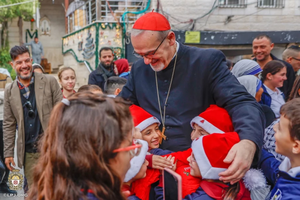
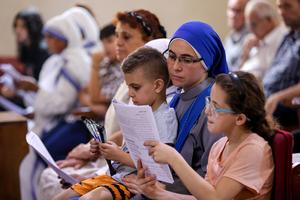
Like Pope Francis before him, Pope Leo XIV has been deeply concerned about the fate of Palestinian civilians in Gaza, including the Strip’s few remaining Christians, whose numbers have dwindled from little more than 1,000 to several hundred during the two-year war. Most have taken refuge in the compound of the Holy Family Church — the only Catholic church in Gaza.
The community has refused to leave the compound in the heart of Gaza City, even though the Israeli military instructed all civilians to leave the city before escalating its fight against Hamas militants. In July, an Israeli tank shell hit the church, killing three Christians and injuring several others.
Speaking at the close of Mass in St. Peter’s Square on Oct. 5, the Pope expressed his hope that the peace negotiations “will achieve the desired results as soon as possible.” He asked “those in positions of responsibility to commit themselves to this path, to bring about a ceasefire and to release the hostages.” He urged everyone “to remain united in prayer, so that the ongoing efforts may put an end to the war and lead us towards a just and lasting peace.”
Whether Trump’s peace plan, which requires many compromises from both Hamas and Israel, will succeed beyond the hostage/prisoner exchange remains to be seen.
“There are challenges to overcome,” said Seth Frantzman, adjunct fellow at The Foundation for Defense of Democracies and author of The October 7 War: Israel’s Battle for Security in Gaza. For one thing, Israel will be extremely wary about the proposed international military force that — according to the peace plan — will be expected to disarm Hamas, maintain order in Gaza and prevent future attacks against Israel.
“From previous experience, whether it’s the United Nations peacekeeping force in southern Lebanon or elsewhere, such forces tend to be ineffective,” Frantzman said. The U.N. force has largely stood by while Hezbollah built illegal tunnels, amassed weapons and fired rockets at Israel.
Furthermore, the fact that Turkey, the country with the second-largest army in NATO, would like to send troops to Gaza is highly problematic from Israel’s perspective, Frantzman said. “Turkey has backed Hamas in the past and is run by a government linked to the Muslim Brotherhood. How would that de-radicalize Gaza? Wouldn’t it be better if the United Arab Emirates, a moderate country that does not back Hamas, joined the force?”
Now that hostilities might cease, Frantzman expressed the hope that Christian organizations will be able to take an even more active role in providing aid to Gazans and that the Holy See will actively work toward repairing relations between Catholics and the many Jews who believe the Church unfairly singled out Israel’s actions during the war while downplaying Hamas’ role in the devastation of Gaza.
“It is totally understandable that the Church supports Catholics and Palestinians,” he said, but “the Church has squandered some of the decades of reconciliation between Catholics and Jews by not supporting the hostages more visibly and even practically, by attempting to deliver medical aid to the hostages.”
Pope Francis met with the families of hostages but was also highly critical of Israel and recommended an investigation into whether Israel was committing genocide — a claim the Israeli government denies.
Cardinal Pizzaballa, who has seen the suffering of both Palestinians and Israelis firsthand, day in and day out, hopes for a new, better chapter.
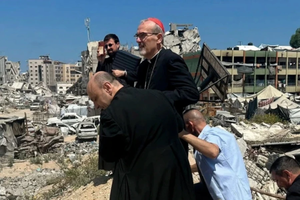
“Now we finally see something new and different. Of course, there will also be a new atmosphere for the continuation of negotiation, also for all the life inside Gaza that will remain terrible for a long time. But now we are happy and we hope that this is just the beginning of a new phase where we can, little by little, start thinking not about war, but about how to rebuild after the war.”
- Keywords:
- gaza
- israel
- hamas
- prayers for peace
- trump administration